The Origin and History of Pizza
- Ancient Mediterranean Flatbreads:
- In ancient times, various regions had a tradition of eating flatbreads topped with different ingredients. For example, the ancient Greeks would top flatbreads with herbs, olive oil, and cheese.
- However, the modern form of pizza is believed to have originated in Naples, Italy.
- The Birth and Establishment of Neapolitan Pizza:
- In the late 18th to early 19th century, a dish consisting of flat dough topped with tomato sauce became popular as an affordable meal in Naples.
- In 1889, during a visit by King Umberto I and Queen Margherita of Italy, a pizza maker created the “Margherita Pizza” (featuring tomatoes, mozzarella cheese, and basil to represent the Italian flag), which gained significant popularity.
- This event helped establish pizza as a representative dish of the region.
- Global Spread and Popularization:
- From the late 19th to early 20th century, Italian immigrants brought pizza to countries like the United States. After World War II, American soldiers who had tasted pizza in Italy helped popularize it back home.
- The fusion with fast-food culture led to the development of various toppings and cooking methods tailored to local tastes worldwide.
Countries Enjoying Pizza
- Italy:
- Known for the most authentic pizzas, particularly Neapolitan and Roman styles.
- The “Art of Neapolitan Pizza Making” is recognized as a UNESCO Intangible Cultural Heritage.
- United States:
- Italian diaspora led to the development of unique styles like New York, Chicago, and Detroit pizzas.
- Each style is distinct in dough thickness, sauce flavor, cheese quantity, and topping variety.
- Brazil, Argentina, and Other South American Countries:
- Italian immigrants adapted pizza to local culinary cultures.
- São Paulo, Brazil, has a vibrant and diverse pizza culture due to its large Italian community.
- East Asian Countries like South Korea and Japan:
- Openness to pop culture has led to the creation of various fusion pizzas.
- Unique toppings include bulgogi, seafood, pumpkin, and spicy flavors.
- Other Regions Worldwide:
- While maintaining the basic tomato sauce-cheese combination, ingredients vary significantly by culture (e.g., taco pizza, kimchi pizza, kebab pizza).
Are There Countries Where Pizza is ‘Banned’?
- There are no well-known countries where pizza is outright banned.
- In some Islamic or religious cultures, pizzas not certified as halal or containing pork may be avoided or restricted.
- While certain toppings may be restricted for cultural or religious reasons, pizza itself is rarely banned.
The Future of Pizza
- Health & Alternative Ingredients Trend:
- With growing health consciousness, variations like whole wheat dough, gluten-free dough, and vegan cheese are increasing.
- The rise in vegetarianism is leading to more pizzas featuring plant-based proteins and vegetables.
- Automation & Robot Delivery:
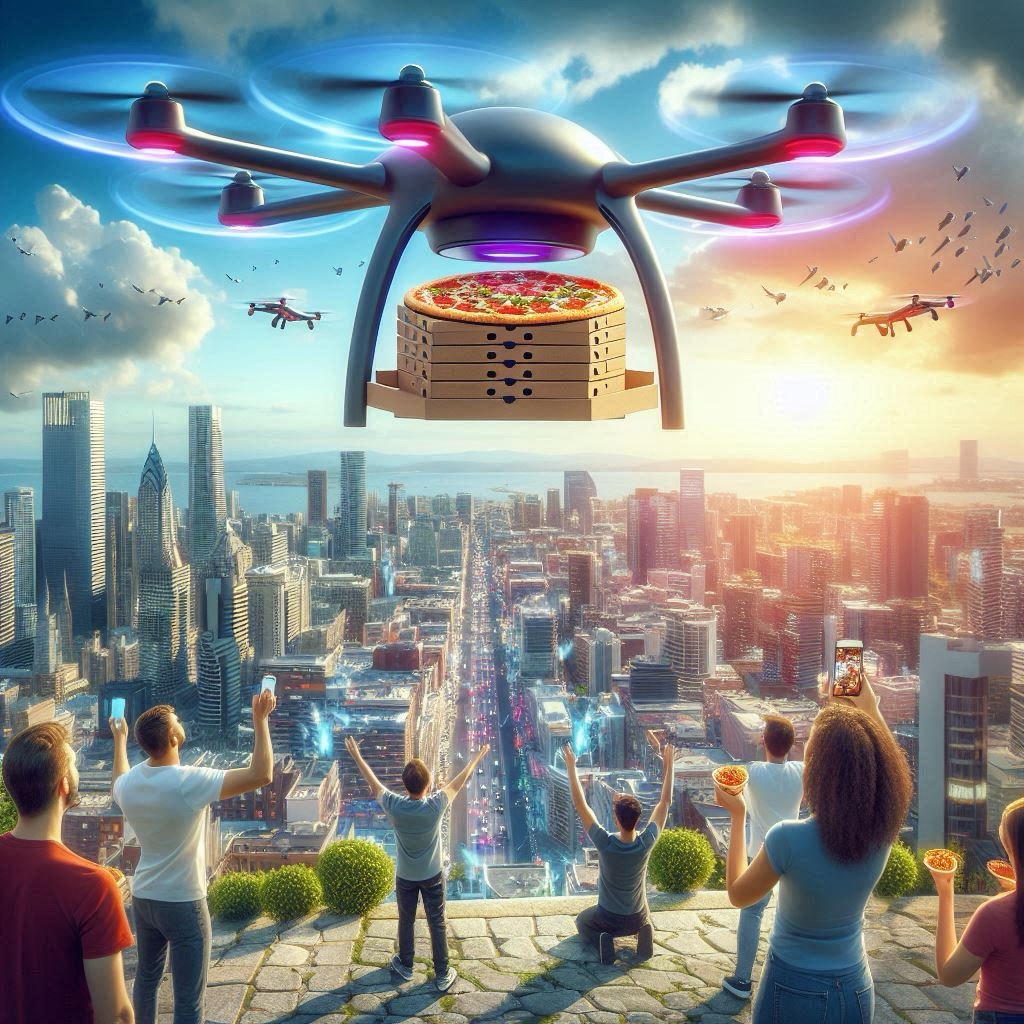
- Experiments are underway to automate pizza-making and use robots for delivery.
- Drone delivery and robotic kitchens are expected to enhance convenience and speed.
- Integration with Local Specialties:
- Pizzas incorporating local specialties (cheese, seafood, fruits) are being developed, enriching global pizza diversity.
Special Issues & Happenings Related to Pizza
- Hawaiian Pizza Controversy:
- The inclusion of pineapple in “Hawaiian Pizza” sparks strong opinions, leading to online debates. In 2017, the President of Iceland jokingly remarked about banning pineapple pizza, which gained global attention.
- “World’s Best Pizza” Competitions:
- Intense competitions occur in Italy, the U.S., Japan, and other places, sometimes leading to controversies over judging methods and promotional events.
- “Pizzagate” Conspiracy Theory:
- During the 2016 U.S. presidential election, a baseless conspiracy theory called “Pizzagate” emerged, falsely linking political figures to a pizzeria. Although unrelated to actual pizza, it became a widely discussed topic.
- Franchise Issues like “Toowoomba Pasta Sauce Pizza”:
- Franchises occasionally release pizzas with unique sauces, sparking interest.
- Sometimes, controversies arise over excessive topping prices or marketing strategies.
Economic Impact of Pizza
- Pizza as a Global Industry:
- Pizza forms a massive global industry with numerous franchises and independent pizzerias.
- The pizza industry generates billions in revenue annually, significantly impacting the economy.
- Advancements in Pizza Delivery Services:
- Pizza delivery pioneered the food delivery service model.
- The development of online ordering systems and mobile apps has made pizza delivery more convenient, contributing to the growth of the overall food delivery industry.
Pizza and Culture
- Pizza in Movies and TV:
- Pizza frequently appears in films and TV shows, often in scenes where characters share a meal.
- This portrayal reinforces pizza as a food that fosters social bonds.
- Pizza and Sports:
- In the U.S., it’s common to order pizza while watching sports games.
- Pizza sales surge during major sports events like the Super Bowl.
Pizza and the Environment
- Sustainable Pizza Ingredients:
- With increasing environmental awareness, there is a focus on using sustainably produced ingredients in pizzas.
- Efforts include using locally sourced ingredients and eco-friendly packaging.
- Food Waste Issues:
- The pizza industry is also working to reduce food waste.
- Initiatives include recycling leftover pizza and encouraging appropriate order sizes.
In summary, pizza has evolved from its origins in Naples to become a global phenomenon, reflecting diverse culinary cultures. While certain toppings may be restricted for cultural or religious reasons, pizza itself is rarely banned. The future of pizza includes health-conscious options, automation, and local specialty integration. Pizza continues to influence various aspects of society, including the economy, culture, and the environment, and will likely remain a dynamic and beloved food worldwide.









 XmxmX
XmxmX 
Leave a comment