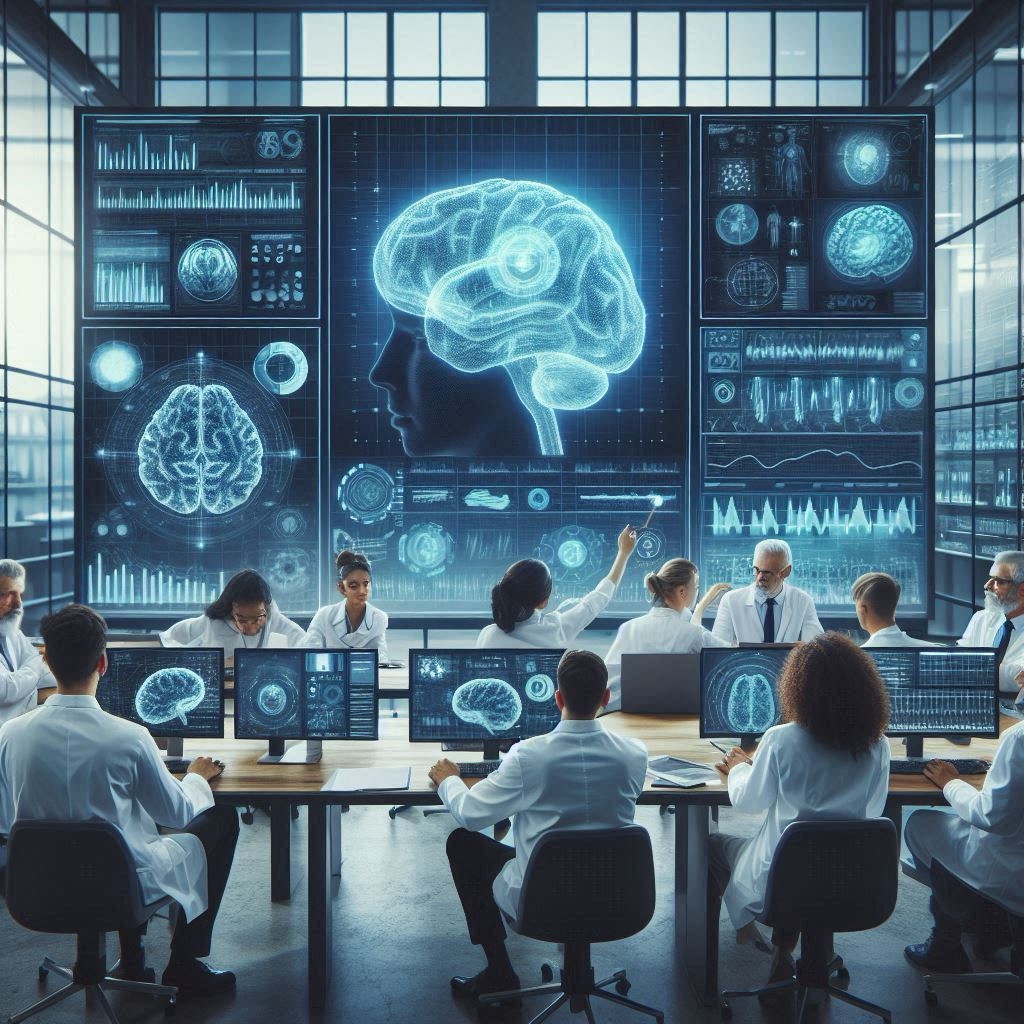
Modern crime prevention and correctional systems are becoming increasingly sophisticated, with brain research emerging as a crucial tool in understanding criminal behavior. In the United States, statistics indicate that more mentally ill and substance-dependent individuals are housed in prisons than traditional criminals. This suggests that addressing underlying causes rather than relying solely on punishment is essential. Additionally, studies show that brain tumors or neurological disorders may contribute to criminal behavior, furthering the need for predictive and preventive approaches.
1. Managing Criminals Using Brain Research
Brain research offers innovative methods for managing and rehabilitating offenders. Some promising strategies include:
- Neuroscience-Based Therapy: Analyzing brain activity to develop personalized treatments that enhance impulse and emotion regulation.
- Predictive Models: Using brain scans and behavioral data to assess the likelihood of recidivism, allowing for targeted intervention and support.
- Improved Correctional Programs: Developing therapy and behavioral modification programs tailored to neurological characteristics to reduce repeat offenses.
- Medication-Based Treatment: Investigating neurotransmitter imbalances that may contribute to aggression and impulsivity to find effective pharmaceutical interventions.
These approaches shift the focus from punishment to rehabilitation and reintegration into society.
2. Predicting Crime Due to Neurological Disorders
Studies suggest that certain neurological disorders increase the risk of criminal activity. Several predictive and preventative methods are being developed:
- Neuroscientific Screening: Brain imaging technology helps identify disorders that may impact impulse and emotional control, allowing for early intervention.
- Genetic and Biomarker Analysis: Researchers are exploring genetic variations and biomarkers that may indicate a predisposition to violent behavior.
- Mental Health Monitoring: Individuals exhibiting psychological disorders linked to criminal tendencies can undergo ongoing evaluation and treatment.
- Tailored Therapy Programs: Treatment strategies designed specifically for individuals with neurological disorders to lower crime risks.
3. Improving Psychopath Tracking and Management
Tracking and preventing crimes committed by psychopaths—individuals with impaired empathy and heightened manipulative tendencies—can be enhanced through advanced brain research. Key improvements include:
- Advanced Neuroimaging: High-resolution brain scans allow for deeper analysis of psychopathic traits and behavioral patterns.
- Behavioral Data & AI-Based Predictive Models: Machine learning algorithms can process vast criminal data sets to assess the likelihood of psychopathic tendencies and potential crimes.
- Digital Monitoring & Pattern Recognition: Online behavior and social media activity can be analyzed to identify warning signs of psychopathic behavior.
- Strengthened Criminal Profiling: Utilizing neuroscience and psychology to refine criminal profiling strategies for more effective intervention.
- Enhanced Reintegration Programs: Providing structured rehabilitation programs that focus on behavior modification and emotional development.
These strategies help law enforcement and correctional facilities better anticipate and respond to high-risk individuals.
4. Latest Trends in Brain Research
Brain research continues to progress rapidly and is applied across various fields, including crime prevention:
- AI-Based Mental Health Prediction: Using AI to detect early signs of schizophrenia and bipolar disorder.
- Neuroscientific Drug Development: Studying brain function to create medications targeting criminal tendencies, aggression, and addiction.
- Brain-Computer Interface (BCI) Research: Developing technology that converts neural signals into text or speech, helping individuals with severe neurological conditions communicate.
- Neural Implant Studies: Companies like Neuralink are conducting clinical trials to integrate the brain with computers for advanced cognitive analysis.
These breakthroughs have implications beyond medicine, contributing significantly to crime prevention and social stability.
5. Crime Prevention Strategies
Various proactive crime prevention strategies combine neuroscience with law enforcement methods:
- Environmental Crime Prevention: Redesigning public spaces, improving lighting, and installing surveillance to deter criminal activity.
- Parole & Rehabilitation Programs: Providing psychological therapy and reintegration programs to reduce recidivism among offenders.
- Predictive Crime Analysis: Using AI-driven data analysis to identify high-crime areas and optimize police patrol routes.
- Digital Health Monitoring: Leveraging wearable devices and AI diagnostics to predict mental health-related crime risks and intervene early.








 XmxmX
XmxmX 
Leave a comment